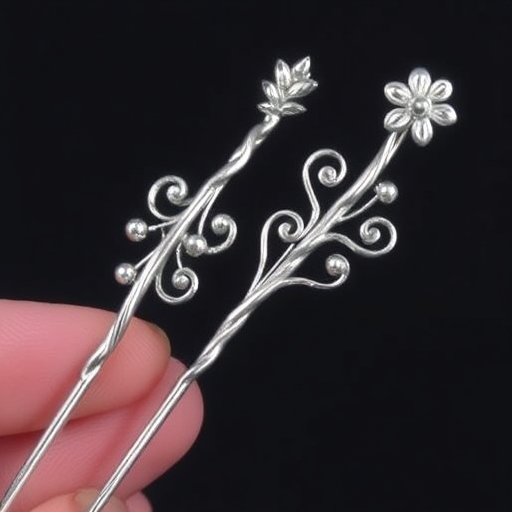
Hairpins
Hairpins are small, functional, and often beautifully crafted accessories used to secure hair in place, with designs ranging from simple metal rods to ornate pieces adorned with carvings, beads, or enamel. Found in cultures from ancient China to Victorian Europe, hairpins have long served both practical and decorative purposes. Artisans shape them from materials like wood, bone, silver, or brass, sometimes embedding mother-of-pearl or tiny gemstones for elegance. Many feature floral, geometric, or symbolic motifs that reflect cultural aesthetics. In traditional ceremonies, hairpins may signify marital status, age, or social role. Today, they are cherished as artisanal items, made by hand in small workshops and sold in cultural markets. Their creation encourages fine motor skills and attention to detail, making them ideal for craft education. Hairpins celebrate quiet beauty and personal expression, offering a gentle, family-friendly link to historical fashion and craftsmanship.