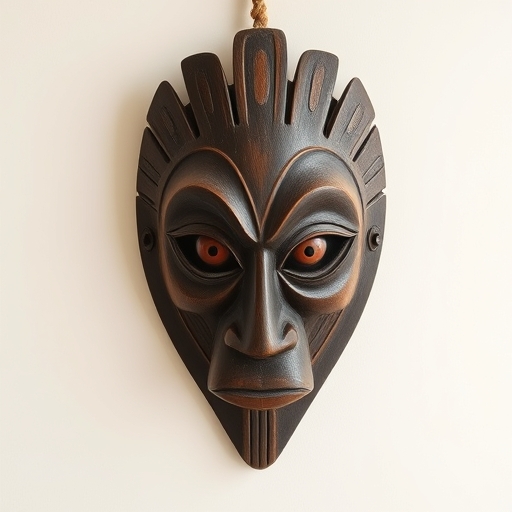
Mask Rituals
Mask rituals are ceremonial practices in which handcrafted masks are worn during dances, festivals, or rites to represent spirits, ancestors, or mythological beings. Found in cultures across Africa, Asia, Oceania, and the Americas, these rituals often mark transitions such as harvests, initiations, or seasonal changes. Masks are made from natural materials like wood, fiber, clay, or feathers, and are painted with symbolic colors and patterns. The wearer, often a trained community member, embodies the spirit the mask represents, channeling its energy through movement and song. These rituals reinforce cultural identity, teach moral lessons, and strengthen communal bonds. Today, mask-making and performance are preserved as living traditions, taught in workshops and cultural centers. They offer a profound way to explore storytelling, artistry, and spirituality without violence or inappropriate themes, celebrating human creativity and collective memory in a respectful, family-friendly manner.