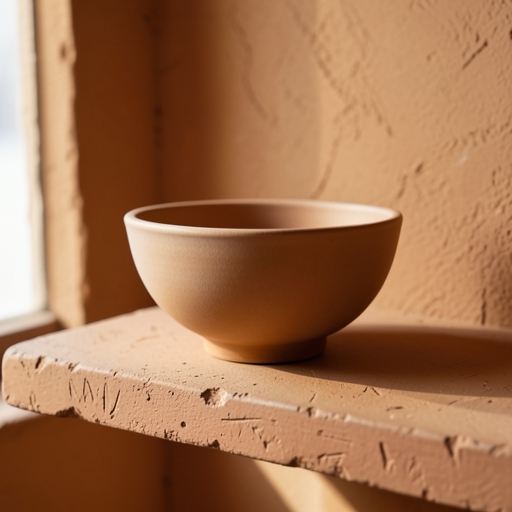
Time-Honored Kiln Techniques
Time-honored kiln techniques refer to traditional methods of firing ceramics using wood, charcoal, or gas-fired kilns developed over centuries. These methods, such as anagama, raku, and saggar firing, rely on natural elements like flame, ash, and smoke to create unique surface effects on pottery. Unlike modern electric kilns, these techniques involve careful control of temperature, airflow, and firing duration, often requiring multiple days of monitoring. The resulting pieces display rich, unpredictable glazes and textures—ash deposits, carbon trapping, and subtle color variations—that reflect the kiln’s environment. These methods are deeply tied to cultural identity, especially in Japan, China, and indigenous communities. Practitioners view firing as a collaborative process between artist and nature. Today, artisans preserve these techniques not only for their aesthetic results but as living traditions that honor ancestral knowledge and sustainable practices.