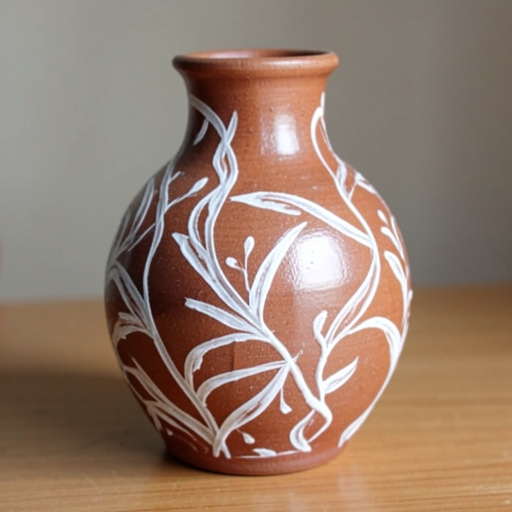
Glaze-Resist Ware
Glaze-resist ware is pottery decorated using techniques that prevent glaze from adhering to certain areas, creating contrasted patterns and textures. Artists apply wax, tape, or natural resists before dipping or brushing on glaze; when fired, the resisted areas remain unglazed, revealing the raw clay beneath. This method allows for intricate designs such as floral outlines, geometric borders, or symbolic motifs. Rooted in East Asian and Middle Eastern ceramic traditions, glaze-resist techniques showcase precision and planning. The final pieces often feature elegant juxtapositions of glossy and matte surfaces, enhancing visual depth. This craft encourages experimentation and patience, as results depend on timing, temperature, and material compatibility. Today, ceramic artists use glaze-resist methods to blend tradition with innovation, creating functional art that celebrates subtlety and craftsmanship. It is widely taught in art schools as a way to explore design, chemistry, and cultural heritage through hands-on creativity.